
Driveway Gate Repair in Watauga, TX: Fixing Access, Security, and Peace of Mind
Driveway gate repair in Watauga, TX helps homeowners restore reliable access and protect their property without unnecessary delays. A malfunctioning gate can disrupt daily routines, compromise security, and place extra strain on gate components if left unaddressed. Professional repair services focus on identifying mechanical, electrical, or structural issues and correcting them safely and efficiently. Whether the problem involves gate alignment, worn hardware, control systems, or operator performance, proper repairs help extend the life of the gate system. Timely service ensures smooth operation, consistent security, and dependable entry and exit for residential properties.
Claim Your Free Quote:
When a Driveway Gate Fails, the Entire Property Feels It
A failing driveway gate impacts more than just entry and exit. It can interrupt daily schedules, reduce security, and create uncertainty about who can access the property. Homeowners often notice issues such as slow movement, unresponsive controls, unusual noises, or gates that will not fully open or close. These problems can strain gate components and increase the risk of further damage if ignored. A properly functioning driveway gate supports controlled access, privacy, and overall peace of mind. Addressing problems early helps restore dependable operation and prevents small issues from turning into costly repairs.

How a stuck or misaligned gate disrupts daily routines
A stuck or misaligned driveway gate can slow departures, delay returns home, and create frustration during busy mornings or late evenings. Repeated attempts to force the gate open or closed can place added stress on hinges, rollers, and operators, often leading to additional mechanical issues over time.
Security risks created by gates that won’t fully close or latch
Gates that fail to close or latch properly leave gaps in security and limit control over property access. Even small alignment or hardware problems can prevent a gate from sealing correctly, increasing the risk of unauthorized entry and reducing the effectiveness of the overall gate system.
Why minor gate issues tend to escalate quickly in North Texas weather
North Texas weather exposes driveway gates to heat, wind, and sudden temperature changes that can worsen small issues. Metal expansion, shifting ground, and moisture intrusion can quickly turn minor alignment or electrical problems into larger failures if repairs are delayed.
Common Driveway Gate Problems Seen Across Watauga Neighborhoods
Driveway gate problems are common across Watauga neighborhoods, especially as gate systems age and experience regular use. Homeowners often report gates that drag, hesitate during operation, or stop before fully opening or closing. These issues are frequently caused by worn rollers, loose hinges, or slight track misalignment. Electrical concerns are also common, including faulty wiring, failing control boards, or unresponsive keypads and remotes. Weather exposure can contribute to corrosion, moisture intrusion, and operator strain, particularly during seasonal temperature swings. In some cases, vehicle impact or gradual ground movement can throw gates out of alignment without immediate notice. Left unaddressed, these problems can place added stress on gate operators and safety components. Identifying and repairing issues early helps maintain smooth operation, reliable access, and long-term performance for residential driveway gate systems.
Gates dragging, scraping, or sagging after soil movement
Shifting soil or settling foundations can cause driveway gates to drag along tracks, scrape against posts, or sag unevenly. These alignment issues place extra stress on hinges, rollers, and operators, accelerating wear. Early adjustments prevent permanent damage, maintain smooth gate movement, and ensure safe, reliable access for vehicles and pedestrians.
Motors that hum, click, or stall without opening
A motor that hums, clicks, or fails to move the gate often indicates electrical or mechanical strain. Worn gears, obstructed tracks, or failing components can prevent smooth operation. Addressing these motor issues promptly restores functionality, protects the operator from burnout, and ensures the gate opens and closes safely every time.
Intermittent remote control or keypad failures
Remote and keypad malfunctions can leave homeowners locked out or unable to control the gate consistently. Dead batteries, worn contacts, signal interference, or wiring problems are common causes. Timely troubleshooting and repair restore secure, reliable entry and prevent frustration from unpredictable gate operation.
Gate panels warping, cracking, or separating at weld points
Exposure to weather and seasonal temperature changes can warp gate panels, crack metal, or weaken welds. These structural problems affect alignment, operation, and overall gate strength. Repairing or reinforcing panels ensures smooth movement, preserves security, and extends the life of the driveway gate system.

Sliding vs Swing Driveway Gates: How Repairs Differ
Sliding and swing driveway gates require different repair approaches due to their distinct designs and movement patterns. Sliding gates rely on tracks, rollers, and motorized operators, making them prone to issues like track obstructions, roller wear, or motor strain. Repairs often focus on alignment, lubrication, and motor calibration.
Swing gates operate on hinges and pivot points, so sagging, misaligned posts, or worn hinges are the most common problems. Addressing these issues may involve adjusting posts, replacing hinges, or realigning the gate panels.
Understanding the gate type helps technicians diagnose problems quickly and apply the proper repair methods. Proper maintenance and timely repairs for either style ensure smooth operation, reliable security, and a longer lifespan for driveway gate systems.
Why Expert Repairs Save You Time & Money
Sliding gates depend on tracks and rollers, while swing gates rely on hinges and posts. Repairs focus on alignment, lubrication, or structural adjustments to ensure smooth, secure, and reliable gate operation.
Manual Driveway Gates Still Break, Just Differently
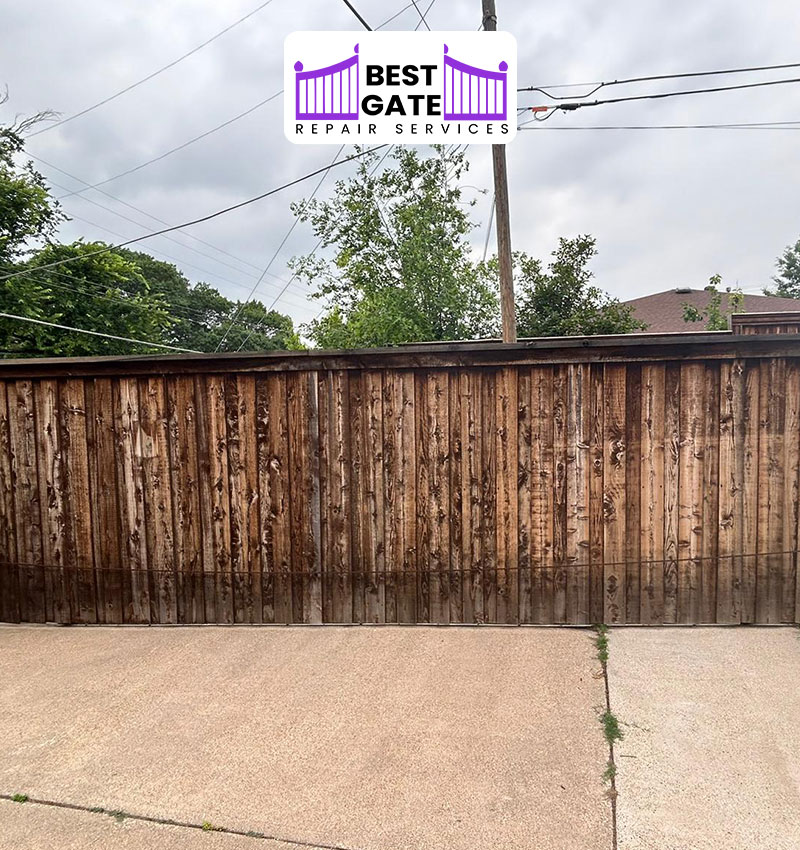
Even without motors or electronics, manual driveway gates experience wear and can fail over time. Hinges may loosen or sag, causing panels to drag or misalign. Tracks on sliding gates can accumulate debris, leading to uneven movement or jamming. Weather exposure can warp wood, rust metal, or weaken welds, compromising structural integrity. Frequent use without proper maintenance accelerates these issues, making gates harder to operate and less secure. Regular inspections and timely adjustments, such as tightening hardware, realigning panels, or cleaning tracks, help manual gates maintain smooth operation, reliable access, and long-term durability.
Latch failures and alignment problems on non-automated gates
Manual gates often experience misaligned panels or worn latches, making them difficult to secure. Regular adjustments and hardware replacement keep the gate functional, safe, and properly aligned for everyday use.
Rust, corrosion, and metal fatigue on older installations
Over time, metal gates develop rust, corrosion, or fatigue, weakening structural components. Addressing these issues early prevents further damage, maintains gate strength, and ensures safe operation for years to come.
When manual gates are good candidates for future automation
Gates in good condition with straight panels, solid posts, and reliable hardware can be upgraded to automation, combining convenience, improved security, and long-term value without extensive structural changes.
Preventive Maintenance That Reduces Emergency Gate Repairs
Regular preventive maintenance keeps driveway gates operating smoothly and helps avoid costly emergency repairs. Cleaning tracks, lubricating hinges and rollers, and inspecting electrical components prevents mechanical strain and reduces wear. Tightening loose hardware and checking alignment ensures gates open and close properly, while addressing minor issues early stops them from escalating. For automated gates, testing motors, sensors, and control systems helps maintain reliable performance. Seasonal inspections are especially important in areas like North Texas, where weather can accelerate deterioration. Consistent upkeep extends gate lifespan, preserves security, and provides homeowners with dependable, trouble-free access every day.