
Automatic Gate Repair in Lake Dallas
Automatic gate repair in Lake Dallas, TX, ensures smooth, reliable, and secure access for both residential and commercial properties. Expert technicians diagnose common issues such as unresponsive motors, misaligned tracks, faulty control boards, or malfunctioning sensors, restoring full functionality and preventing further damage.
Repairs are performed with precision using high-quality parts, ensuring gates operate efficiently and safely. Regular maintenance, including lubrication, sensor calibration, and electrical inspections, helps prevent unexpected breakdowns. Lake Dallas property owners can rely on professional gate services to maintain convenient, hassle-free entry, enhance security, and extend the lifespan of their automatic gate systems.
Claim Your Free Quote:
Gate Issues Slowing Down Your Lake Dallas Property
Gate issues in Lake Dallas can disrupt property access, compromise security, and create daily frustrations. Slow or jerky movement often indicates worn motors, misaligned tracks, or sagging gates, which strain mechanical components and can lead to complete failure if ignored. Faulty hinges, rollers, and gearboxes also contribute to uneven operation and excessive noise, affecting both residential and commercial entrances.
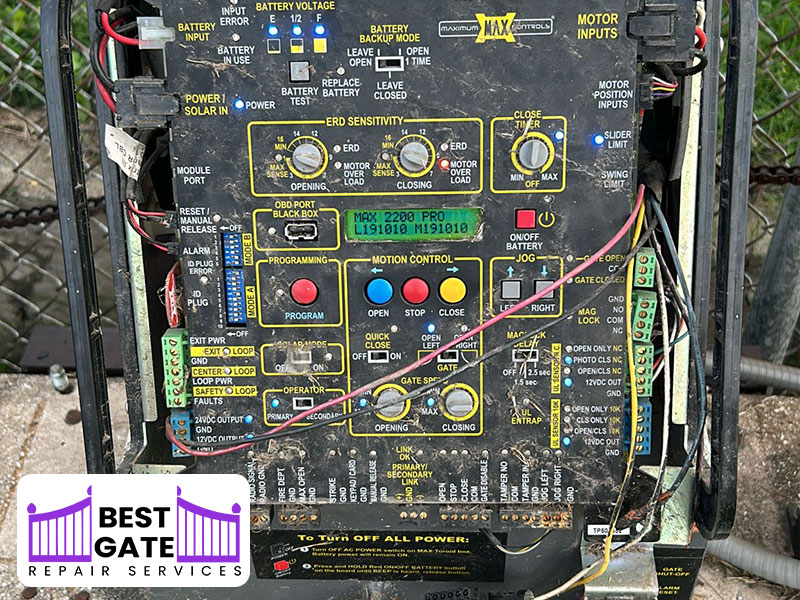
Electrical problems are another common concern. Malfunctioning control boards, damaged wiring, or weak backup batteries can make gates unresponsive or cause erratic behavior. Sensors, photo eyes, and safety loops that are misaligned or obstructed may trigger false reversals, preventing gates from closing properly.
Timely professional inspection and repair address these issues before they escalate. Routine maintenance, lubrication, and component replacement restore smooth, reliable operation, enhance security, and extend the lifespan of your gate system. Lake Dallas property owners benefit from consistent access, safer operation, and peace of mind.
Sensor Misalignment
Misaligned sensors can prevent gates from closing properly or trigger false reversals, posing safety risks. Dirt, debris, or improper installation often causes misalignment. Regular inspection and calibration ensure sensors function correctly, maintaining smooth, safe, and reliable gate operation for both residential and commercial properties.
Motor Strain from Frequent Use
Frequent operation of gates puts extra stress on motors, leading to overheating, slow cycles, or complete failure. Over time, worn gears and mechanical components compound the strain. Routine maintenance, proper lubrication, and professional servicing prevent unexpected breakdowns and extend the motor’s lifespan.
Loose Hinges, Rollers, or Tracks
Worn or loose hinges, rollers, and tracks cause gates to sag, drag, or operate unevenly. This increases mechanical strain, noise, and the risk of complete failure. Timely tightening, adjustment, or replacement maintains alignment, smooth operation, and long-term reliability.
Electrical Failures
Electrical failures, including damaged wiring, power surges, or faulty control boards, can render gates unresponsive or trigger erratic movement. Professional inspection, repair, and component replacement restore reliable operation, prevent safety hazards, and ensure consistent access for residential and commercial properties.


From Sliding to Swing Gates – How Each Can Malfunction
Automatic gates come in different styles, each with unique mechanics that can encounter specific problems. Sliding gates rely on tracks and rollers for smooth movement. Misaligned tracks, debris buildup, or worn rollers can cause the gate to stick, move unevenly, or stall. Motors may overheat if the gate is under strain, leading to breakdowns.
Swing gates operate with hinges and pivot points. Sagging hinges, rust, or misaligned arms can prevent proper opening and closing. Electrical issues, such as faulty control boards or sensor malfunctions, can affect both sliding and swing gates, causing intermittent operation or complete failure. Environmental factors, including debris, humidity, and extreme temperatures, further impact performance. Regular inspections, lubrication, and timely repairs are essential to address these issues before they escalate. Understanding the common malfunctions of each gate type helps property owners maintain smooth, reliable, and safe operation for both residential and commercial applications.
Sliding Gate Issues
Misaligned tracks, worn rollers, and debris buildup can cause sliding gates to stick, move unevenly, or stall. Overworked motors may overheat, requiring timely inspection and repair to maintain smooth, reliable operation.
Swing Gate Problems
Sagging hinges, rusted pivots, or misaligned arms can prevent swing gates from opening or closing properly. Regular maintenance ensures structural integrity and prevents operational failure.
Electrical and Sensor Malfunctions
Faulty control boards, wiring issues, or misaligned sensors affect both sliding and swing gates. Prompt professional repair restores safe, consistent functionality and prevents further damage or downtime.
Lake Dallas Weather and Its Impact on Automatic Gates
Lake Dallas weather, including heat, humidity, and occasional storms, can affect automatic gate performance. Extreme temperatures may strain motors, while moisture and debris can damage tracks, sensors, and control systems. Regular maintenance and inspections help gates withstand local weather conditions, ensuring smooth, reliable, and safe operation year-round.

Storm Damage (Wind, Debris)
Strong winds and flying debris can dent gates, dislodge tracks, or damage sensors, causing operational issues and safety hazards that require prompt inspection and repair.
Humidity and Rust
High humidity accelerates rust and corrosion on metal components, weakening hinges, rollers, and tracks, which can compromise gate movement and lifespan.
Heat Affecting Motors and Electronics
Extreme heat can overwork motors and damage electrical components, leading to slower operation, sensor failures, or complete system malfunctions.
Heavy Rainfall / Drainage Affecting Tracks
Poor drainage or heavy rain can flood tracks, wash out foundations, or create debris buildup, causing sliding gates to stick or stall and requiring maintenance to restore smooth oper